

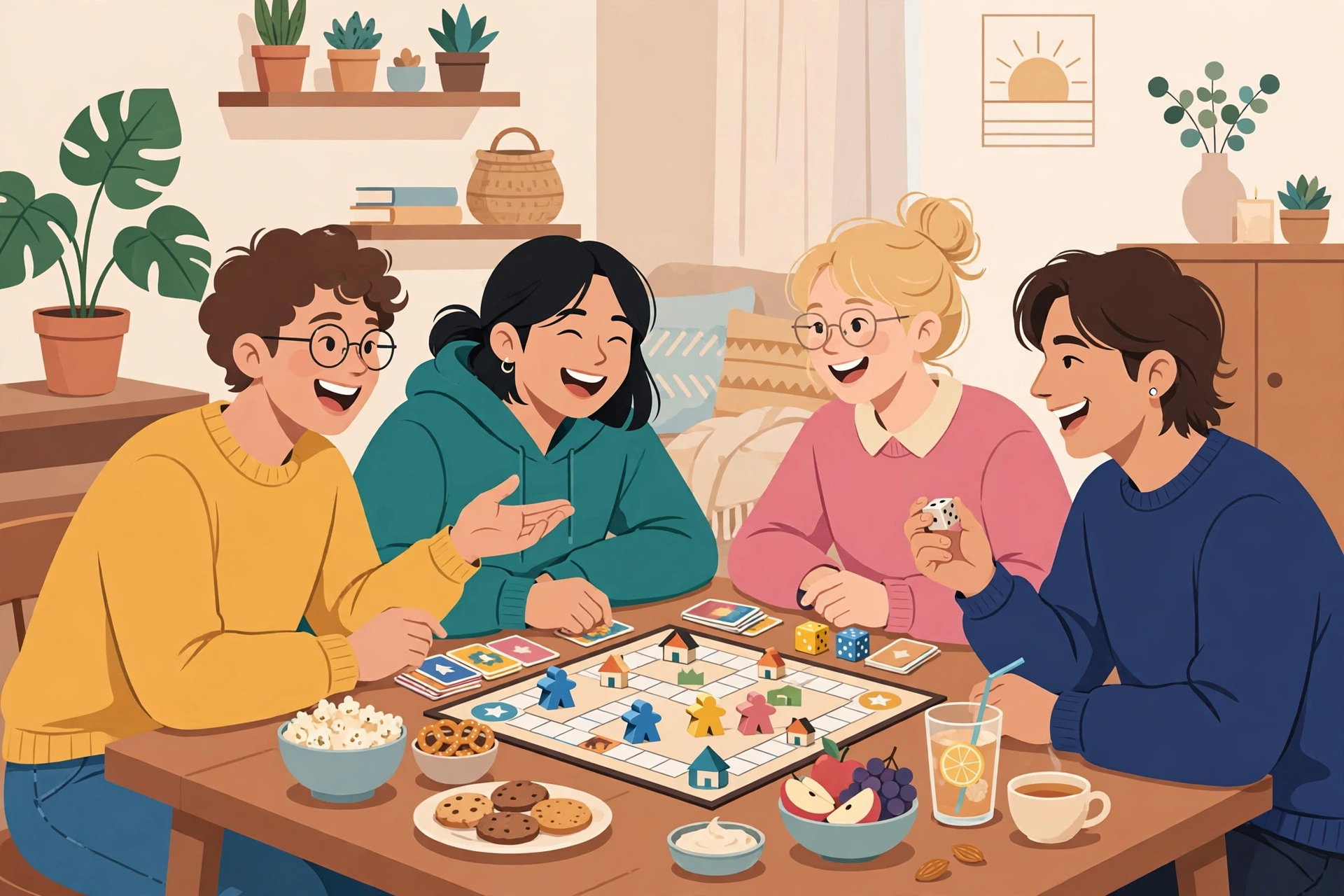
“We’re bored.” “So what do you want to do?” “I don’t know, what do you want to do?”
If that loop sounds familiar, this list is for you. Here are 101 things to do when bored with friends — for two people or a whole group, at home or out, free or cheap, active or chilled.
This list is different from our solo list, 101 things to do when bored at home alone (no money needed). That one is for one person. This one is built for two or more people doing something together. And if you need ideas for one person at school, see our quiet things to do in class.
Pick a number, try it, and if it flops, pick another. The point is not to find the perfect activity — it is to stop scrolling and start doing something together.
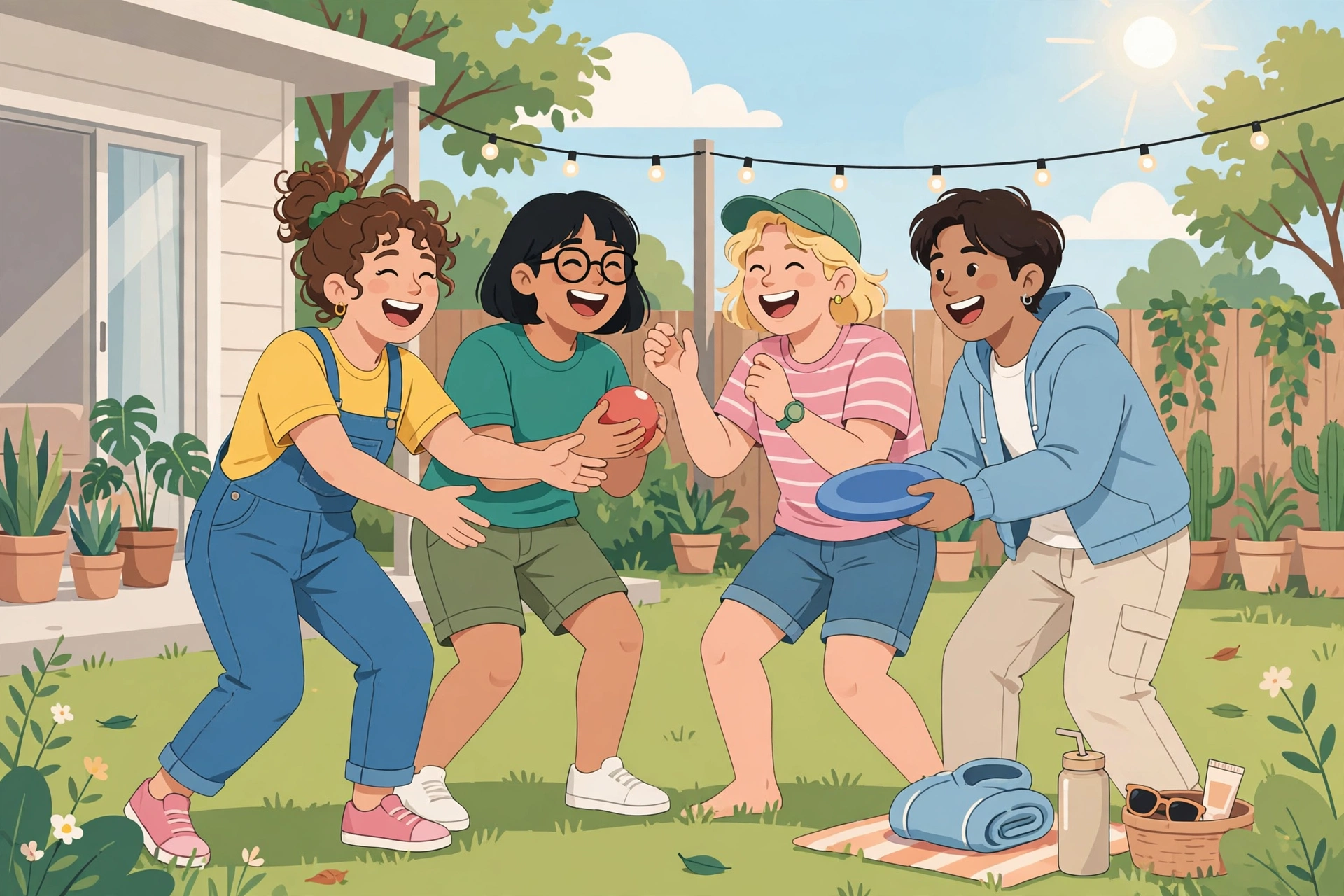
About this article: use this list when you and your friends want something to do — pick one that fits your time, budget, and energy.
How This Article Was Put Together
This list was built from activities friends commonly enjoy together — at home, outdoors, on a budget, and on short notice. We grouped them by setting: at home, outdoors, creative, low-cost, and quick ideas. Each idea was checked for clarity, kept practical and safe, and duplicates were removed so all 101 stand on their own. Written by the 101Thing team and reviewed for clarity and safety.
About This Article
This article is part of the 101 Thing library of practical lists and guides, and it focuses on things to Do When Bored With Friends. Its sections — including “At Home, No Money Needed” and “Outdoors and Active” — are organised so you can jump straight to the part that matches your situation and use it right away. Treat everything here as a starting point rather than a script: adapt the wording to your own voice, skip anything that does not fit, and put your own experience ahead of any list. We update our articles when we find errors or a better approach, and readers are welcome to suggest corrections through our contact page. For more on how we research and check the content we publish, see our Editorial Policy.
At Home, No Money Needed
- Have a movie marathon with a theme — same director, same decade, or worst movies ever. Pick the theme by vote, then let each person choose one film so everyone has a pick to look forward to. Keep snacks simple so the focus stays on watching together.
- Build a blanket fort and watch a film inside it. Drape blankets over chairs and clip them in place with clothespins, then add cushions and a string of lights if you have them. It takes about ten minutes to build and makes even a familiar film feel like an event.
- Do a closet swap — trade clothes you no longer wear. Lay everything out on a bed, set a simple rule like one-for-one swaps, and let everyone try things on before deciding. Anything left over can go straight into a donation bag.
- Have a “Chopped” challenge using only what is already in the kitchen. Give everyone the same mystery ingredients and a 30-minute timer, then taste each dish and vote on creativity and flavour. The fun is in the improvising, not in making something perfect.
- Do a puzzle together, with music on in the background. Sort the edge pieces first, then split the puzzle into sections so everyone has a corner to work on. A shared playlist keeps the pace relaxed while you work.
- Give each other (terrible) haircuts or hairstyles and take photos. Stick to temporary styles, braids, or wash-out colour unless everyone agrees beforehand on a real cut. Take before-and-after photos so you can laugh about them later.
- Have a karaoke night using free videos online. Search for karaoke versions of songs everyone knows, and take turns picking so no one person hogs the mic. Duets are a good way to get shy singers to join in.
- Do a board game tournament with a homemade leaderboard. Pick three or four short games, give points for first, second, and third place, and keep the scores on paper where everyone can see them. A small prize for the winner, like picking the next film, keeps it competitive.
- Play card games — Go Fish, Uno, Rummy, or a new game you learn together. If you do not own a deck, a free card-game app on one phone works just as well. Learning a new game together is often more fun than replaying an old favourite.
- Have a drawing contest: same prompt, 10 minutes, vote on the best. Pick a prompt everyone can picture, like “a cat running a bakery,” and set a timer so no one overthinks it. Vote anonymously by folding the drawings and laying them out on the table.
- Do a “powerpoint night” — each person makes a silly 5-slide presentation on any topic. Keep each talk under five minutes and leave room for questions, since the Q&A is usually the funniest part. Good starter topics include ranking snacks, defending a hot take, or pitching a ridiculous invention.
- Rearrange one room just for fun and see if it feels better. Start by clearing the floor, then try moving the biggest piece of furniture first so you can judge the new layout quickly. Take a photo of the original setup so you can put it back if the experiment does not work.
- Have a spa night with face masks, nails, and relaxing music. Lay out towels, warm water, and whatever products you already have, and take turns giving hand massages or doing nails. A simple playlist and dimmed lights are enough to set the mood.
- Play “Two Truths and a Lie” and guess who is lying. Keep each round short — two truths and one lie per person — and let the group vote before the answer is revealed. The best lies are small twists on true stories, not wild inventions.
- Do a yoga or workout video together. Pick a beginner-friendly video so everyone can follow along, and clear enough floor space for a mat or towel each. Agree beforehand that anyone can pause or modify a move without comment.
- Have a reading hour — everyone reads their own book, then shares one interesting thing. Set a timer for 45 to 60 minutes, then go around the circle with each person sharing one passage or idea. It works well because it mixes quiet time with real conversation.
- Write a group story, one sentence at a time, going around in a circle. Use a shared note or a piece of paper passed around, and let each person add just one sentence before passing it on. Read the whole story aloud at the end — the twists are usually the best part.
- Do a photo challenge: best photo of a household object, voted by the group. Pick one object, like a mug or a spoon, give everyone five minutes, and judge on creativity rather than camera skill. Phone cameras are more than good enough for this one.
- Have a “no phones for an hour” hangout and see what happens. Put all the phones in a pile on silent, face down, and pick an activity that gives people something to do with their hands, like cards or cooking. The first few minutes feel awkward, then conversation usually picks up on its own.
- Make friendship bracelets or simple crafts from supplies you already have. Look for embroidery thread, beads, or even cut-up fabric strips, and follow a simple knotting pattern from a free video. Make one for each person in the group so everyone leaves with something.
Outdoors and Active
- Go for a walk in a neighbourhood you have never explored. Pick a starting point on a map, then let the group choose left or right at each junction so no one has to plan the whole route. Bring water and comfortable shoes, and stop at anything that catches your eye.
- Have a picnic in the park with snacks from home. Pack a blanket, reusable containers, and finger food that travels well, like sandwiches, fruit, and crackers. Arrive early on a sunny day if you want a shady spot near a bench or a tap.
- Play frisbee, catch, or kickball at a local field. Bring one ball or disc and agree on simple rules before you start so the game stays relaxed. A field with a flat, open stretch is all you need — no special equipment required.
- Go for a bike ride together. Check tyres and brakes before you set off, pick a flat route if anyone is rusty, and agree on a café or park as a halfway stop. Riding side by side on a quiet path makes conversation easy.
- Try a free outdoor workout — running, bodyweight exercises, or a park circuit. Pick a park with benches and open space, then take turns leading an exercise so everyone contributes. Keep it to 20 to 30 minutes and finish with a stretch.
- Go stargazing and try to spot constellations with a free app. Find a dark spot away from streetlights, let your eyes adjust for ten minutes, and use a free stargazing app to label what you see. A blanket and warm layers make it much more comfortable.
- Have a photo walk — each person takes photos of the same street, then compares. Walk the same short route together, give everyone ten minutes to shoot, then compare results over coffee. You will be surprised how differently everyone sees the same street.
- Play hide and seek (yes, as adults — it is still fun). Agree on clear boundaries and a base point, then set a time limit for each round so the seeker does not wander forever. Parks and quiet neighbourhoods work better than busy streets.
- Go to a farmers’ market and sample free tastes. Arrive hungry, bring small bags for anything you buy, and let each person pick one stall to sample. It is a cheap way to try new foods and support local sellers.
- Have a scavenger hunt around your neighbourhood with a list you make up. Write 15 to 20 clues before you head out — things like a red door, a cat in a window, or a street name with a Q in it. Split into teams and set a 45-minute limit to keep it lively.
- Fly a kite if you have one, or make one from paper and sticks. Pick an open field with steady wind and no overhead wires, and bring string and tape for quick repairs. A simple diamond kite made from paper and sticks flies well enough for an afternoon.
- Go roller-skating, skateboarding, or scootering. Start on a smooth, flat surface like an empty car park or a paved path, and bring helmets if you have them. Take turns trying each other’s wheels if you have a mix of skates, boards, and scooters.
- Play basketball, soccer, or volleyball at a public court. Bring one ball, agree on teams, and keep the rules loose so beginners feel welcome. Most public courts are free — just check the hours and bring water.
- Go for a hike on a nearby trail. Pick a trail that matches the least experienced person in the group, and check the weather and the trail length before you go. Pack water, snacks, and a charged phone, and tell someone your planned route.
- Have a water fight with water balloons, squirt guns, or just a hose. Set a clear play area, agree that phones and bags stay inside, and pick a warm day so no one ends up cold and miserable. A bucket for refills keeps the game going without constant trips to the tap.
- Do a litter pick-up walk — clean up a park or beach together. Bring gloves and a few bags, and split the area into sections so each pair covers a stretch. It is a simple way to help your neighbourhood and still have a good chat while you walk.
- Visit a free museum, gallery, or community event. Check opening hours and whether you need to book a free ticket before you go. Pick one exhibition to focus on rather than rushing through everything, then talk about your favourite piece afterwards.
- Go window-shopping and rate the weirdest things you find. Walk one high street or shopping area, give each weird find a score out of ten, and keep a photo log as you go. Set a small spending limit beforehand so browsing does not turn into impulse buying.
- Watch the sunset from a good viewpoint with snacks. Arrive 30 minutes before sunset to get a good spot, and bring a blanket and something warm for after the sun goes down. A hill, a beach, or a rooftop with a clear western view all work well.
- Have a “tourist in your own town” day — visit a landmark you have never been to. Pick one landmark, one café, and one shop you have never tried, and plan the route in advance so you do not waste the day deciding. Take photos as if you were visiting for the first time.
Creative and DIY
- Paint rocks and leave them around town for strangers to find. Use acrylic paint or paint pens, and seal the finished rocks with a clear varnish or a coat of glue if you have it. Leave them on benches, walls, or paths where someone will spot them — not in flower beds or private gardens.
- Make greeting cards for each other or for family. Fold card stock or thick paper in half, then decorate with drawings, cut-outs, or a handwritten message. A short, specific message — one memory or one compliment — makes a card feel much more personal than a generic greeting.
- Do a tie-dye project with old white shirts. Twist and rubber-band each shirt before applying dye, and wear old clothes and gloves to protect your hands and surfaces. Let the shirts sit in a bag for a few hours before rinsing so the colours set properly.
- Build something with cardboard — a castle, a maze, or a board game. Collect boxes, tape, and scissors beforehand, and sketch a rough plan so everyone knows what to build. Cardboard castles, marble mazes, and handmade board games all work with the same basic supplies.
- Make a scrapbook page from old photos and ticket stubs. Pick one event or trip per page, then arrange the photos, tickets, and a few captions before gluing anything down. Label the date and who was there — future you will be glad you did.
- Try origami and see who can make the hardest model. Start with a crane or a box, then move to a harder model once everyone has the basics. Follow a free step-by-step video together and pause after each fold so no one gets left behind.
- Write and perform a short skit or comedy sketch. Pick a simple premise, like a job interview for a superhero, and give yourselves 15 minutes to write a two-minute scene. Keep the props minimal — a chair, a hat, and a funny voice are usually enough.
- Make a playlist for each other based on what you think they would like. Ask each person for three favourite songs, then build a playlist of ten tracks you think they will enjoy. Share the playlists at the same time and listen to one track from each together.
- Do a photography challenge: portraits, shadows, reflections, or tiny details. Pick one theme per round, give everyone ten minutes to shoot, then vote on the best photo. Phone cameras are fine — the point is noticing things, not owning expensive gear.
- Paint or draw each other’s portraits — funny versions encouraged. Sit in pairs, set a ten-minute timer, and exaggerate one feature each for comic effect. Tape the finished portraits to a wall for a quick gallery viewing before you take them down.
- Make candles from old jars and leftover wax, if you have supplies. Melt the wax carefully in a heatproof container over simmering water, add a wick, and let the candle cool fully before lighting it. Never leave a burning candle unattended, and keep it away from curtains and paper.
- Create a group zine — each person makes one page on any topic. Give everyone one sheet of paper and whatever pens, magazines, or stickers you have, and set a 30-minute deadline. Staple or fold the pages together at the end so everyone leaves with a copy of the finished zine.
- Learn a simple magic trick and perform it for the group. Pick one trick with cards or coins, watch a free tutorial together, then give everyone 15 minutes to practise. Perform the tricks one at a time so each person gets a turn in the spotlight.
- Make friendship keychains or phone charms. Use beads, string, and small charms, and decide on a colour or theme for the group. It helps to lay out the design on the table before threading so you can check the pattern.
- Design a fake album cover for your friend group. Pick a band name, an album title, and a photo or drawing for the cover, then lay it out on paper or in a free design app. Print the best one and stick it on the fridge.
- Write a song together, even if it is silly. Start with a simple chord loop or a familiar tune, then take turns adding a line. Record a rough version on a phone so you can laugh at it later — the recording is half the fun.
- Make a time capsule to open in one year. Each person adds one small object, one photo, and one note predicting where they will be in a year, then seal everything in a box with the opening date written on top. Store it somewhere safe where you will actually remember it.
- Do a “draw my life” challenge — each person draws their life story in 60 seconds. Use a single sheet of paper and a marker, and keep the drawings quick and sketchy rather than polished. Explain your drawing afterwards — the gaps and shortcuts are usually the funniest part.
Food and Drink
- Have a bake-off — same recipe, vote on the best result. Print one recipe for everyone, set the same start time, and judge on taste and presentation rather than looks alone. Vote anonymously on slips of paper so the best bake wins fairly.
- Make homemade pizza with everyone’s favourite toppings. Set out dough, sauce, cheese, and toppings buffet-style so each person can build their own pizza. Bake in batches and slice each pizza as it comes out so everyone gets a hot slice.
- Have a taco bar with fillings everyone helps prepare. Chop the fillings in advance, then let each person assemble their own tacos with their preferred toppings. Keep the toppings simple — beans, cheese, salsa, and one protein are plenty.
- Try a new recipe from a different country. Pick a recipe with ingredients you can actually find locally, and read through the whole method before you start cooking. Cook together step by step, with one person reading the instructions aloud.
- Have a smoothie competition — weirdest flavour wins. Set out fruit, yoghurt, juice, and one wild card like spinach or peanut butter, and let each person blend a small cup. Taste-test each smoothie and vote on the most surprising — not just the tastiest — combination.
- Make ice cream sundaes with toppings you already have. Set out bowls, scoops, and toppings like chocolate sauce, nuts, and crushed biscuits so everyone can build their own. A squeeze of fruit or a pinch of salt on top can lift a simple sundae.
- Have a tea or coffee tasting — compare different brands or flavours. Brew small cups of each variety, label them, and taste them in the same order so you can compare fairly. Note which one each person prefers — you may find a new favourite.
- Decorate cupcakes or cookies and judge them. Bake a batch in advance so decorating starts right away, then set out icing, sprinkles, and edible decorations. Judge on creativity and effort, not just neatness, so beginners feel welcome.
- Have a “mystery snack” tasting — blindfolded, guess the snack. Put small samples in numbered cups, blindfold each taster in turn, and let them guess by taste and texture alone. Keep the snacks safe for everyone in the group — check for allergies first.
- Make popcorn three ways and vote on the best. Try one sweet, one salty, and one spicy version, and pop each batch fresh so it stays crisp. Label the bowls so the vote is fair, and keep the recipes simple enough to repeat later.
- Have a fondue night with chocolate or cheese. Melt the fondue gently over low heat, and set out dippers like fruit, bread, marshmallows, and pretzels. Keep a spare plate under the pot to catch drips, and take turns dipping so everyone gets a go.
- Make homemade lemonade, iced tea, or mocktails. Start with a basic recipe, then let each person adjust sweetness or add fruit to taste. Serve over ice in tall glasses with a slice of lemon or a sprig of mint for a finishing touch.
- Have a picnic breakfast — pancakes, fruit, and coffee outside. Cook the pancakes just before heading out, pack them in a container wrapped in a tea towel to keep them warm, and bring fruit and a flask of coffee. A park bench or a garden table works just as well as a full picnic setup.
- Cook a meal together from a video, step by step, with no skipping ahead. Play the video on a laptop or tablet in the kitchen, pause after each step, and assign one person to each task. Cooking this way is slower but much less stressful than rushing ahead.
Games and Challenges
- Play video games together — co-op, party games, or retro games. Pick a game with simple controls so beginners can join in, and take turns so no one person plays the whole time. Party games and co-op modes work better than competitive games for a mixed group.
- Have a trivia night with questions you write yourselves. Split into teams, let each team write ten questions on a different topic, then swap question sets and play. Include a mix of easy and hard questions so every team gets some wins.
- Play “Would You Rather” with increasingly absurd questions. Start with easy choices, then raise the stakes with each round — the sillier the question, the better the debate. Let each person explain their answer in one sentence before moving on.
- Play “Never Have I Ever” (keep it friendly). Use fingers or snacks as counters, and agree beforehand that anyone can skip a round without explaining why. Keep the prompts light and inclusive so everyone feels comfortable joining in.
- Have a charades tournament. Write the prompts on slips of paper, split into teams, and set a one-minute timer per round. Use a mix of films, songs, and everyday actions so the game stays accessible to everyone.
- Play “20 Questions” — one person thinks of something, others guess. Stick to yes-or-no questions, and let the guessers take turns so everyone gets to ask. Start broad — “Is it alive?” or “Can you hold it?” — then narrow down from there.
- Do a jigsaw puzzle race — two puzzles, two teams, fastest wins. Use two puzzles with the same piece count so the race is fair, and set a timer so the losing team does not feel rushed. Sorting edge pieces first gives both teams a fast start.
- Play bingo with a homemade board of inside jokes. Make a 5×5 grid for each person, fill it with group memories or habits, and call them out one by one. The first person to complete a row or column wins — and the memories are the real prize.
- Have a “Minute to Win It” challenge with household items. Pick five or six quick challenges, like stacking cups or balancing a biscuit on your forehead, and set a one-minute timer for each. Keep score on paper and rotate who goes first so no one always has the advantage.
- Play dominoes, chess, checkers, or another classic. If skill levels differ, pair a beginner with an experienced player or play teams so the game stays friendly. A quick round of checkers or dominoes is a good warm-up before a longer game like chess.
- Do an escape-room-style puzzle at home with clues you hide for each other. Split into two teams, give each team 30 minutes to hide five clues around one room, then swap and solve. Keep the clues fair — every clue should be findable without moving heavy furniture.
- Have a lip-sync battle. Pick songs with big choruses and clear gestures, and perform one song per person or pair. A phone speaker is enough for sound — the performance matters more than the audio quality.
- Play “Story Chain” — one person starts a story, next person continues, no planning. Give each person one sentence per turn, and let the story go wherever it goes without correcting it. Read the whole story back at the end to hear how it twisted.
- Do a “guess the song” game — hum or play the first two seconds. Take turns humming or playing a short clip, and give a point to whoever guesses the title and artist first. Keep the songs well-known so everyone has a chance to guess.
- Have a building challenge — tallest tower from spaghetti and tape, or paper planes that fly farthest. Give each team the same materials and a ten-minute timer, then test each tower or plane in turn. Measure height or distance with a tape measure so the winner is clear.
- Play “Hot Seat” — one person answers rapid-fire questions for 60 seconds. Set a timer, fire quick questions like favourite food or dream holiday, and let the person in the hot seat pass on any question. Rotate every minute so everyone gets a turn.
Learn and Explore Together
- Learn a few phrases in a new language together. Pick a language none of you know, learn five useful phrases — hello, thank you, please, yes, and one funny phrase — and practise them on each other. Try using the phrases in a mock conversation so they stick.
- Watch a documentary and discuss it afterwards. Choose a documentary under an hour so you have time to talk, and agree on two or three questions to discuss after it ends. Talking about what surprised you makes the film much more memorable than watching alone.
- Learn a dance from a free tutorial video. Pick a beginner tutorial, clear some floor space, and play the video on a big screen so everyone can see the steps. Learn it in sections, pausing after each move, then try the full routine together.
- Try a new skill together — juggling, knitting, coding basics, or drawing. Pick one skill, find a short beginner tutorial, and practise side by side for 20 minutes. Learning together takes the pressure off, because everyone is a beginner at the same time.
- Visit a library and each pick a book for someone else. Wander the shelves for ten minutes, pick a book you think a friend would enjoy, then explain your choice when you swap. It is a low-cost way to discover books you would never have picked yourself.
- Take a free online quiz together — personality, geography, or history. Pick a quiz with 10 to 20 questions, answer as a team, and compare your results afterwards. Quizzes work well as a warm-up before a bigger activity.
- Learn about a topic none of you know — then each explain one fact. Pick a topic, spend 15 minutes reading or watching a short video about it, then take turns sharing one fact you found interesting. Explaining it aloud helps everyone remember it better than just reading.
- Plan a dream trip together with a pretend budget. Pick a destination, set a pretend budget, and plan transport, stays, and one activity per day. Use a free map or travel site to check real prices — the planning is half the fun, even if the trip never happens.
- Do a “skill swap” — each person teaches the group one thing they know. Give each teacher five minutes to demonstrate one simple skill, like folding a fitted sheet, tying a knot, or a card trick. Keep the skills small and practical so everyone can try them in the session.
- Start a mini book club — pick a short book or article and discuss it. Choose something short enough to finish in a week, then meet to discuss three questions: what you liked, what surprised you, and what you disagreed with. A short article works just as well as a book for a first session.
- Explore a new neighbourhood, shop, or market together. Pick a place none of you have visited, walk its main street, and pop into one shop or stall that catches your eye. Ending with a coffee or snack gives you a natural moment to compare notes.
- Volunteer together for an afternoon — food bank, park clean-up, or animal shelter. Contact the organisation in advance to check what help they need and whether you need to book. Bring gloves and water, and plan a relaxed meal or coffee afterwards to unwind.
- Make a “101 list” of your own — 101 things you want to do together as a group, and pick the next one to try. Brainstorm freely for 20 minutes without judging ideas, then tidy the list into categories like free, outdoors, and food. Pick one idea to try next weekend so the list turns into a plan, not just a wish list.
How to Use This List
- Can’t decide? Each person picks a number between 1 and 101. Go with the first one anyone is excited about.
- Short on money? Stick to sections 1 and 2 — most ideas there are free.
- Short on time? Pick anything from Games and Challenges — most take under 30 minutes.
- Big group? Games, food, and outdoors work best for 5+ people.
- Just two people? Creative, food, and learn-together ideas work well for pairs.
- Make it a ritual: Pick one idea every weekend and work through the list over time.
For more low-pressure ways to spend time together, see 101 low-pressure hobbies for introverts to meet people and 101 hobbies that help you meet people.
Sources & Further Reading
Want to go deeper? These reputable sources cover the ideas behind this article.
- Psychology Today — Making room for boredom, and how empty moments can spark creativity.
FAQ
What can we do with friends when we have no money?
Plenty. Blanket forts, movie marathons, card games, drawing contests, walks, photo challenges, picnics with food from home, scavenger hunts, and “powerpoint night” all cost nothing. Start with items 1–20 and 21–40 for the most free options.
What are good things to do with 2 friends vs a big group?
For 2–3 people, creative projects, cooking, and 1-on-1 games work well. For 5+ people, team games, trivia, cooking together, outdoor sports, and party games work better. The list includes both — pick based on your group size.
What if our friends have different interests?
Pick an activity with a low bar to join — a walk, a movie, a cooking session, or a simple game. Avoid activities that need skill or equipment everyone does not have. Let each person pick one idea in turn so no one person always decides.
How do we stop just scrolling our phones when we hang out?
Agree on one phone-free block, like “no phones for the first hour” or “phones in a pile during dinner.” It feels awkward for five minutes, then conversation usually picks up. Item 19 is a good place to start.
What are good bored-with-friends ideas at night?
Movie marathons, stargazing, karaoke, board games, bake-offs, trivia, and storytelling games all work well at night. For quieter nights, try reading hour, puzzles, or a spa night.
What if we are bored but also tired?
Choose low-energy ideas: movie marathon, reading hour, puzzles, cooking something simple, or a walk. You do not need high-energy activities to have a good time — low-pressure time together counts too.
Conclusion
Boredom with friends is not a problem — it is an invitation. You do not need money, plans, or perfect weather. You just need one idea and a willingness to try it.
Pick a number from this list, try it, and if it flops, pick another. The best hangouts are rarely the most elaborate ones — they are the ones where you actually did something together.
For solo ideas, see 101 things to do when bored at home alone (no money needed). For making new friends to hang out with, see how to make friends as an adult when you work from home and how to make friends in a new city as an adult.
If rain cancels the outdoor plan, our 101 Things to Do on a Rainy Day has ideas for wet days with friends and family.

101Thing publishes practical guides and lists that help readers try new ideas, start conversations, and make everyday life a little better. Articles are researched, written, and reviewed for accuracy and usefulness before publication. Questions or corrections can be sent via the Contact page.
 Amna Qamar